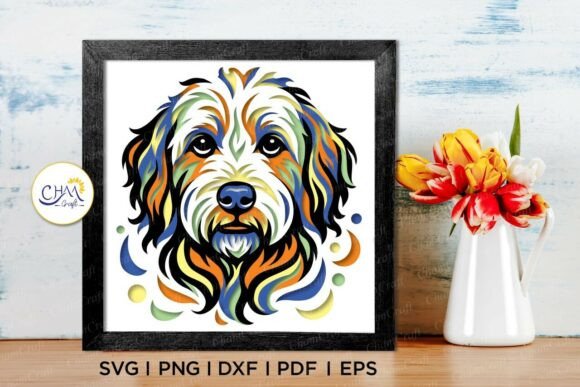
3D Doodle Dog Shadow Box SVG for Modern Blog Visuals
In the world of digital publishing, first impressions are everything. As a blog designer and content publisher who has spent years refining editorial layouts and optimizing visual hierarchies, I know that the right graphic design asset can make or break reader engagement. Recently, I evaluated a versatile creative file known as the 3D Doodle Dog Shadow Box SVG to determine its viability for real-world content marketing, affiliate marketing, and brand identity projects. This review explores how this playful yet structured design fits into professional publishing workflows.
The Editorial Mood of Playful Precision
When you first encounter the 3D Doodle Dog Shadow Box SVG, the immediate impression is one of approachable creativity. Unlike flat, generic clipart, this design leverages depth and layering to create a sense of physical presence. It strikes a balance between being whimsical and highly polished, making it suitable for lifestyle-focused blogs, educational platforms, and small business branding initiatives. The "doodle" aesthetic softens the visual experience, inviting readers to linger, while the shadow box structure provides a clean, modern design framework that aligns with contemporary web design standards.
This asset naturally supports content niches that value warmth and personality. Whether you are running a pet care affiliate site, a parenting blog, or a creative entrepreneur’s newsletter, the visual mood suggests trust and friendliness. It avoids looking overly childish by maintaining crisp lines and intentional spacing, which is crucial for maintaining editorial quality. For publishers aiming to build stronger visual identity across their platforms, this design offers a unique anchor that feels both artistic and commercially viable.
Integrating 3D Layered Elements into Publishing Workflows
The true power of this asset lies in its adaptability across multiple content formats. Because it is designed as a layered SVG, it allows for precise manipulation in tools like Cricut Design Space, Silhouette Studio, or vector editing software before being exported for web use. This flexibility is essential for creating consistent blog graphics that scale effectively from large hero images to smaller social media previews.
For bloggers and digital marketers, this design can be repurposed extensively:
- Featured Images and Article Headers: Use the main dog figure as a central focal point against a solid color background to create a bold header image that captures attention immediately.
- Pinterest Pins and Social Media Graphics: The vertical orientation often associated with shadow box designs translates well to Pinterest pins. You can overlay text on the negative space created by the layers to drive clicks.
- Digital Guides and Lead Magnets: Incorporate the design into eBook covers or downloadable printables. The layered effect adds perceived value to free resources, encouraging email sign-ups for your lead magnet campaigns.
- Newsletter Banners: A simplified version of the shadow box can serve as a cheerful header in email newsletters, reinforcing brand recognition every time your audience opens an inbox.
- Category Thumbnails: If your website features multiple categories, using variations of this design (perhaps in different colors) can help users quickly identify specific sections of your site.
Enhancing Content Performance Through Visual Hierarchy
From a strategic standpoint, using a high-quality design asset like the 3D Doodle Dog Shadow Box SVG directly impacts content performance metrics. Stronger first impressions lead to lower bounce rates, while clearer visual hierarchy guides the reader’s eye toward key calls to action. When your website looks professionally curated, reader trust increases, which is particularly important for affiliate marketers who rely on credibility to drive conversions.
This design supports better click-through potential by providing a distinct visual break from standard text-heavy layouts. In a feed saturated with similar-looking posts, a graphic with depth and texture stands out. Furthermore, consistent use of such distinctive elements helps establish a memorable brand identity. Over time, your audience will begin to recognize your content instantly based on these visual cues alone, strengthening your overall content marketing strategy.
Strategic Placement for Maximum Impact
To get the most out of this template, consider where it fits best within your editorial ecosystem. It excels in areas where you want to inject personality without sacrificing professionalism. Hero images benefit greatly from the dimensional quality of the 3D SVG, as it draws the eye inward. Similarly, article thumbnails gain clarity when the dog figure is isolated against a contrasting background.
It also works exceptionally well as an editorial accent. Placing a subtle, scaled-down version of the doodle in the margins of long-form articles or next to pull quotes can add a touch of personality to otherwise dense text blocks. For those creating digital products, such as worksheets or checklists, the design serves as an engaging cover element that promises a fun user experience.
Where to Exercise Caution
While versatile, no single design asset is perfect for every scenario. Publishers should use the 3D Doodle Dog Shadow Box SVG carefully in contexts that demand strict seriousness or minimalism. For example, it may feel out of place on corporate content pages, legal blogs, or financial news sites where a more sober visual system is required.
Technical considerations are also important. On small mobile thumbnails, complex layered designs can become muddy if not resized appropriately. Ensure that the individual layers do not blend together when scaled down below a certain threshold. Additionally, avoid placing this asset on busy backgrounds or low-contrast themes, as the details of the shadow box effect may be lost. Always test how the design interacts with your existing typography; it pairs well with sans-serif fonts for a modern look but might clash with overly ornate script fonts unless used sparingly.
Practical Publisher Notes for Implementation
Before integrating this asset into your live website or commercial products, follow these practical steps to ensure optimal results:
- Test Across Devices: Preview the design on desktop, tablet, and mobile screens. Check how it renders as a thumbnail in various browser sizes.
- Check Contrast and Readability: Place headline text over the design to ensure legibility. Adjust opacity or add a semi-transparent overlay if necessary.
- Font Pairing: Experiment with different typefaces. Try pairing the design with a bold display font for titles or a clean sans-serif for body text to see what enhances the overall composition.
- File Size Optimization: Even though SVGs are vector-based, converting them to raster formats for web use requires proper compression. Ensure files are optimized for fast loading times to maintain good SEO performance.
- Review Licensing: Confirm the commercial license terms before using the asset on monetized websites, paid courses, or affiliate marketing materials. Understanding the difference between personal and commercial use is critical for protecting your digital business.
Ultimately, the 3D Doodle Dog Shadow Box SVG is more than just a cute illustration; it is a functional tool for elevating your digital presence. By understanding its strengths and limitations, you can deploy it strategically to enhance your brand identity, improve user engagement, and create a more cohesive and professional online experience. Whether you are updating your website header, designing a new pin campaign, or launching a digital guide, this asset offers a reliable way to bring a touch of creative flair to your content marketing efforts.