3D Hat Card: A Spring 3D SVG Review for Digital Sellers
As a digital product creator, I spend most of my day evaluating assets not just for their aesthetic appeal, but for their commercial viability. When I first pulled up the 3D Hat Card, my immediate reaction was one of cautious optimism. In a market saturated with flat vector designs and generic clipart, finding an asset that offers genuine dimensional depth can be a game-changer. This isn't just another simple silhouette; it is a layered SVG design intended to create a pop-up effect, which immediately signals higher perceived value to the end consumer.
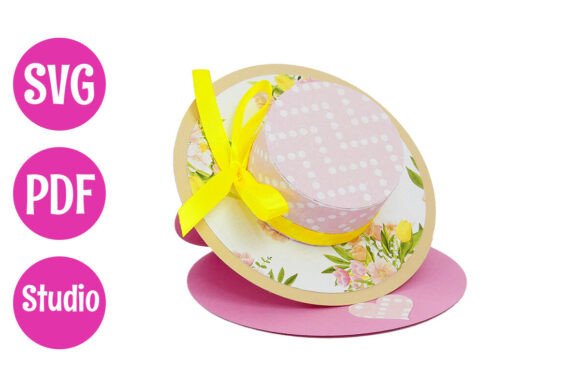
The core concept here is straightforward yet effective. 🎩 Create a fun and dimensional project with this 3D Hat Card SVG. This layered greeting card features a three dimensional hat that pops up when assembled, making it perfect for birthdays, celebrations. However, as a seller, I look beyond the basic description. I look at how this fits into broader seasonal trends and customer buying behaviors. With Spring being a peak season for personalization, events, and gift-giving, this asset feels timely. It bridges the gap between traditional paper crafts and modern digital downloads, appealing to both the Cricut crowd and the print-on-demand enthusiast.
First Impressions and Niche Appeal
The visual personality of the 3D Hat Card leans heavily into playful and festive territory. It does not scream "corporate" or "minimalist," which actually works in its favor for specific niches. The target audience for this asset includes crafters who enjoy tactile projects, parents looking for unique birthday cards, and small business owners creating handmade-style goods without the labor-intensive assembly.
From a branding perspective, this asset feels approachable and celebratory. It has a slight whimsical charm that resonates well with feminine, cute, and modern aesthetics. If your shop focuses on high-end, ultra-minimalist stationery, this might feel too busy. But if you are selling party supplies, baby shower invitations, or cheerful spring-themed decor, this graphic design asset fits seamlessly. It adds a touch of "handmade" magic to digital products, which is a powerful selling point in today’s creative marketplace.
Real-World Product Applications
So, where does this digital product actually make money? I have tested similar layered assets across various platforms, and the versatility of the 3D Hat Card is quite broad. Here is how I would integrate it into a real online shop scenario:
- Greeting Cards and Invitations: This is the most obvious use case. You can sell these as printable PDF files for customers to cut and assemble at home. Alternatively, you can offer them as templates for Canva users who want to add custom text before printing.
- Print-on-Demand Merchandise: While the pop-up aspect is lost on fabric, the layered hat graphic itself makes a fantastic t-shirt design or mug design. By flattening the layers creatively, you can create a stylized illustration that works perfectly for sublimation designs on tumblers or tote bags.
- Sticker Bundles: For vinyl sticker makers, this asset provides excellent material for die-cut stickers. The distinct shape of the hat allows for clean cutting lines, making it ideal for planner stickers or laptop decals.
- Digital Wall Art: If you render the 3D effect digitally rather than physically, you can sell high-resolution PNG designs as nursery prints or children's room decor. The shadow and depth give it a premium look compared to flat vectors.
- Seasonal Bundles: During the Spring season, pair this with other festive elements like flowers, bunnies, or pastel ribbons to create a cohesive design bundle. These bundles often convert better because they offer more value to the buyer.
Enhancing Product Presentation and Mockups
In the world of Etsy products and Creative Fabrica listings, your listing images are everything. A flat screenshot of an SVG file rarely sells. The strength of the 3D Hat Card lies in its potential for visual storytelling through mockup previews.
I recommend creating a series of mockups that show the "before and after." Show the flat digital file, then show the assembled physical card popping up. This demonstrates the value proposition instantly. Use bright, natural lighting to highlight the shadows and folds. This helps build customer trust by showing exactly what they will achieve. Furthermore, using this asset in thumbnail images increases click-through potential because it stands out against competitors who only offer flat graphics. It suggests a premium, interactive experience even if the customer is buying a digital download.
Strategic Placement and Visual Hierarchy
When designing your own templates or social media graphics using this asset, pay attention to visual hierarchy. The hat should be the focal point. Avoid cluttering the background with competing elements. This graphic design asset works best in decorative layouts where negative space is respected. It also serves well as a logo element for small business branding related to parties or events.
Where to Exercise Caution
No asset is perfect, and there are specific scenarios where the 3D Hat Card may underperform or cause production issues. As an experienced creator, I advise testing carefully in these areas:
- Tiny Sticker Details: If you plan to scale this down to a half-inch sticker, the intricate layers of the 3D effect may become muddy or indistinguishable. Test the resolution at small sizes to ensure the details hold up.
- Crowded Thumbnails: On mobile devices, complex 3D structures can lose detail in tiny thumbnails. Simplify the preview image to show the overall shape rather than every fold.
- Dark Backgrounds: Unless you have a white or light-colored base for the hat, contrast issues may arise. Ensure your color palette supports the dimensionality. Dark backgrounds often flatten the perception of depth unless the shadows are rendered realistically.
- Cutting Line Complexity: For Cricut or Silhouette projects, verify that the cut lines are clean. Sometimes, overlapping layers in 3D designs can create confusing cut paths for beginners. Provide clear instructions or simplified versions for novice users.
Practical Seller Notes and Best Practices
Before you upload this to your store, run through this checklist to ensure professionalism and reduce customer support queries:
- Test on Real Mockups: Don't just rely on software renders. Print a test version if possible, or use high-quality digital mockups that accurately reflect the final product.
- Check File Formats: Ensure you provide both SVG and PNG design files. The SVG is crucial for cutting machines, while the PNG with transparency is needed for digital planners and web use.
- Verify Commercial Licensing: Confirm your commercial license covers all intended uses, especially print-on-demand and resale of compiled bundles.
- Font Pairing: When adding text to your templates, pair the playful nature of the hat with complementary fonts. A handwritten font can enhance the handmade feel, while a bold sans serif font keeps it modern. Avoid overly ornate script fonts that compete with the hat's details.
- Organize Your Files: For digital downloads, clarity is key. Organize your folders so customers know which layer is which. Include a readme file with assembly instructions.
- Seasonal Timing: Since this aligns with Spring, start promoting it early. Early birds love seasonal content, and having your listings live before the holiday rush gives you SEO time to rank.
Ultimately, the 3D Hat Card is a strong addition to any creative entrepreneur’s toolkit. It solves a common problem—making digital products feel tangible and special. By treating it with the same rigor as any other commercial design asset, you can leverage its unique features to boost sales, improve brand identity, and delight your customers. Whether you are selling on Etsy, Shopify, or a direct website, this asset offers a versatile foundation for building a profitable, visually engaging product line.