3D Hummingbird Lantern Laser Cut Files
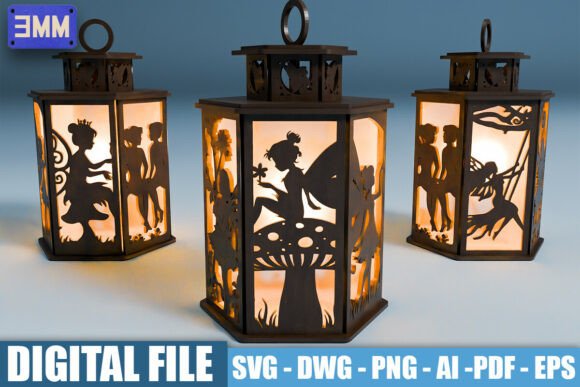
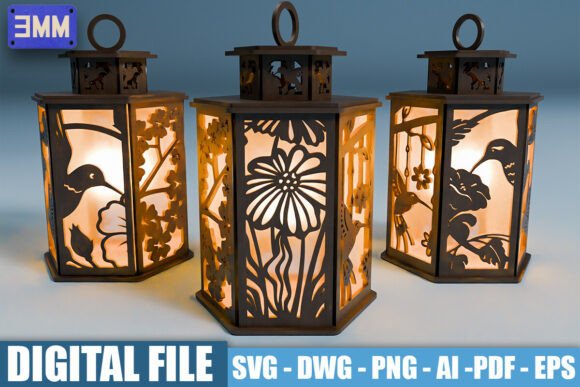
When I first opened the folder for 3D Hummingbird Lantern Laser Cut Files, my immediate thought wasn’t about embroidery machines—it was about the physical object these files are meant to create. The product description clearly states this is a digital download for laser cutting, designed to produce three distinct hexagonal lanterns with unique hummingbird scenes on each panel. However, as an experienced designer who frequently bridges the gap between digital fabrication and textile arts, I see a massive opportunity here for cross-disciplinary application. While the core intent is Laser Cutting for decorative Stands or home decor, the visual language of these designs translates beautifully into the world of machine embroidery. This review explores how a designer might adapt, interpret, or utilize the aesthetic of these 3D Hummingbird Lantern Laser Cut Files within an embroidery project, particularly for those looking to expand their craft business offerings.
The Visual Personality of the Design
The mood created by hummingbird motifs is inherently delicate, energetic, and graceful. In the context of 3D Hummingbird Lantern Laser Cut Files, the design likely features intricate cut lines that mimic the fine details of feathers and floral elements often associated with hummingbirds. When evaluating this for potential embroidery adaptation, we must look at the "visual personality." These designs feel organic and nature-inspired, which makes them perfect for brands focused on wellness, nursery decor, or feminine boutique items. The hexagonal structure suggests symmetry and balance, qualities that are crucial when planning the layout for a custom apparel piece or a large tote bag design.
For an Etsy seller or small shop product creator, the appeal lies in the uniqueness. A standard bird silhouette is common; a structured, lantern-inspired composition featuring a hummingbird offers a fresh twist. It feels like a premium design asset that can elevate a simple garment. The intricate nature of the original laser file implies a high level of detail, which, if translated correctly into an embroidery file, could result in a stunning piece of wearable art. However, it also demands careful consideration of stitch density and fabric choice to ensure the design remains legible and durable.
Real-World Application: From Laser File to Thread
Let’s imagine a real-life scenario. You are preparing a collection of personalized gifts for the upcoming holiday season. You want to create something that stands out on your printable mockup but also feels tactile and luxurious. Instead of just selling the laser-cut lanterns, you decide to create a complementary line of embroidered accessories. Perhaps a soft, cream-colored linen sweatshirt embroidery featuring a simplified version of one of the lantern panels, or a sturdy canvas tote bag design that incorporates the hexagonal shape as a central appliqué element.
This approach allows you to tap into two markets: those who buy ready-made decor and those who prefer personalized textiles. The hummingbird theme is universally loved, especially in spring and summer collections, but its elegance makes it suitable for year-round gifting. By adapting the visual components of the 3D Hummingbird Lantern Laser Cut Files, you can create a cohesive brand story. For instance, you might use the same color palette found in the laser cuts—perhaps vibrant greens, ruby reds, and metallic golds—to coordinate your thread colors. This consistency builds brand recognition and trust with your customers.
Consider the custom apparel angle. A baby onesie or a nursery pillow cover featuring a gentle, stitched hummingbird within a geometric frame (inspired by the lantern structure) would be a bestseller. The key here is translation. The sharp lines of a laser cut must be softened slightly for embroidery to avoid puckering, while retaining enough definition to look professional. This requires a good understanding of how different stitch types interact with the design elements.
Technical Considerations and Stitching Clarity
As a reviewer, I must emphasize the technical challenges of adapting intricate laser designs for thread work. The original files are likely optimized for precision cutting, meaning they may contain very fine details that do not translate well to needlework without modification. If you attempt to digitize these designs directly, you risk creating a machine embroidery design that is too dense or fragile.
- Stitch Density: High-density areas in the original laser file might need to be reduced. Excessive stitching can cause fabric distortion, especially on lighter materials. Use fill stitch sparingly and consider using running stitch or satin stitch outlines to define shapes without adding bulk.
- Hoop Size: Ensure the adapted design fits comfortably within your standard hoop sizes. If the lantern panel is large, you may need to split the design or choose a larger hoop setup to prevent registration errors.
- Thread Colors: The contrast between thread and fabric is critical. Test your design in black and white mockups to check visibility. On dark fabrics, light threads may get lost, while on light fabrics, dark threads might appear too harsh. Experiment with metallic threads for accents to mimic the potential shine of laser-cut edges.
- Stabilizer Choice: The type of stabilizer used will significantly impact the final look. For woven fabrics like cotton or linen, cut-away stabilizer is often necessary to maintain stability during long stitches. For knits, tear-away or water-soluble stabilizers might be preferred depending on the desired finish.
Where to Use Carefully
Not every surface is suitable for a complex design inspired by 3D Hummingbird Lantern Laser Cut Files. Avoid placing intricate embroidery on small hoop sizes where details will become muddy. Textured fabrics, such as heavy tweeds or looped towels, can obscure fine lines, making the hummingbird details indistinct. Thin or stretchy fabrics require extra caution; without proper stabilization, the tension from the stitches can pucker the material, ruining the clean lines of the lantern motif.
Curved surfaces, like caps or hats, present another challenge. The flat geometry of the lantern design may not follow the curve of a cap naturally, leading to distortion. Similarly, products that undergo frequent washing, such as kitchen towels or aprons, need robust stitching techniques to ensure longevity. Decorative accents on delicate garments should be placed away from seams and high-friction areas to prevent wear and tear.
Final Verdict for Creative Entrepreneurs
The 3D Hummingbird Lantern Laser Cut Files offer a rich source of inspiration for designers willing to think outside the box. While they are technically Laser Cutting files, their aesthetic value is immense for the embroidery community. They provide a sophisticated, nature-inspired theme that resonates with modern consumers looking for quality and uniqueness.
For the commercial embroidery professional, this design concept can drive sales through personalized gifts, boutique branding, and specialized handmade product lines. The key is to respect the limitations of the medium. Digitize wisely, test thoroughly on scrap fabric, and always prioritize the durability and clarity of the final finished product. By doing so, you can transform a laser-cut concept into a treasured embroidered keepsake that delights customers and strengthens your reputation as a thoughtful, skilled maker.
Remember to check the specific licensing terms before selling finished items derived from these designs. Whether you are creating an embroidered patch, a holiday embroidery special, or a line of digital embroidery file assets, the goal is to create work that feels authentic, professional, and deeply connected to the beauty of the natural world. With careful planning and execution, the grace of the hummingbird and the structure of the lantern can come together to create something truly special.