Review: 3D Wooden Lion Laser Cut File
As a designer who spends more time than I care to admit staring at stitch density charts and debating thread color palettes, I have developed a keen eye for what makes an embroidery design actually work in the real world. It is one thing to look stunning on a digital screen; it is another entirely to hold that finished piece in your hands and know it will survive a trip through the washing machine without unraveling or looking muddy. That is why I approach every new asset with a healthy dose of skepticism until I see how it translates from vector lines to actual thread.
This brings me to the 3D Wooden Lion Laser Cut File. At first glance, the title might suggest this is strictly a woodcraft project. The description highlights its suitability for laser cutting, CNC machines, Glowforge, xTool, and OmTech devices, positioning it firmly within the realm of Signs and Laser Cutting. However, as someone who frequently bridges the gap between hard goods and soft goods, I found myself wondering how this bold, layered aesthetic would translate if adapted or used as inspiration for textile projects. While the file itself is designed for rigid materials, the visual language it employs offers valuable insights for anyone creating custom apparel, embroidered patches, or home decor items. In this review, I will evaluate the design’s structural integrity, visual impact, and potential applicability for craft business owners and Etsy sellers who appreciate strong graphic identities.
First Impressions: Boldness and Structural Clarity
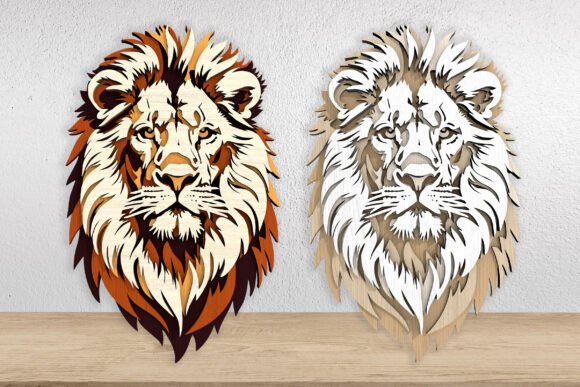
The immediate mood created by this design is one of raw power and regal authority. The lion head is not just a portrait; it is a study in geometry and negative space. For a designer, the most critical aspect of any machine embroidery design is clarity. Does the shape read instantly? Can the eye follow the contours without getting lost in clutter? This design excels in that regard. The multi-layer approach mimics the depth you get from stacked wood, which suggests a high level of detail that could be incredibly effective if translated into applique design techniques or heavy fill stitch areas.
The layout feels balanced and centered, making it ideal for chest placements on sweatshirt embroidery or large-format centerpieces on tote bag design variations. There is no wasted space, yet there is enough breathing room around the edges to prevent the design from feeling cramped. This balance is crucial for commercial embroidery because it ensures the product looks professional rather than amateurish. The "3D" aspect mentioned in the title refers to the layering effect, which implies that even in a flat medium like embroidery, the design relies on contrast and layering to create depth. This is a smart design choice that translates well to various fabrics.
Real-World Application: From Digital Asset to Finished Product
Let’s imagine a practical scenario. You are preparing inventory for a boutique shop or launching a new line of personalized gifts. You want something that appeals to both men and women, suitable for a nursery theme or a rugged, outdoorsy aesthetic. The 3D Wooden Lion Laser Cut File offers a versatile visual anchor. If you were to adapt this concept into an embroidery project using thick cotton twill for an embroidered patch, the result would be striking.
Consider the handmade product market. Customers today are drawn to items that feel substantial and unique. A lion motif carries connotations of strength and courage, making it a popular choice for baby embroidery (think gender-neutral nurseries) or milestone gifts. Furthermore, the geometric nature of the design means it works exceptionally well for holiday embroidery themes, particularly around New Year’s or winter holidays where gold and navy thread combinations can elevate the piece into a premium gift item.
For small shop product creators, the versatility extends to aprons and kitchen towels. The bold lines cut through fabric texture easily, ensuring the logo or artwork remains visible even after multiple washes. This durability is key for building customer trust. When a buyer receives a finished product where the design hasn’t puckered the fabric or lost detail, they are more likely to leave a positive review and return for future purchases. The design’s strong silhouette also lends itself well to printable mockup creation, allowing digital product sellers to showcase their offerings before physically producing them.
Where Caution Is Required
While the design is visually compelling, no single asset fits every use case perfectly. As an experienced reviewer, I must highlight areas where this design requires careful handling. First, consider the hoop size. If you are attempting to scale this down significantly for smaller items like cap fronts or delicate tea towels, you risk losing the nuance of the layers. Small details can become indistinct blobs if the stitch density is too high for the fabric weight.
Textured fabrics pose another challenge. Materials like bouclé wool or heavily napped fleece can obscure the fine lines of the design. For best results, stick to smooth, tight-weave fabrics such as cotton canvas, denim, or polyester blends. Additionally, dark fabrics require careful thread colors selection. A standard black-on-black embroidery might disappear, so high-contrast threads like white, gold, or bright metallics are necessary to maintain the design’s integrity. If you are working with stretchy fabrics, ensure you use a proper stabilizer to prevent distortion, as the dense areas of the lion’s mane could pull the fabric out of alignment during stitching.
Practical Designer Notes for Implementation
If you decide to incorporate the aesthetics of this laser cutting file into your textile workflow, here are some essential steps to ensure success:
- Test on Scrap Fabric: Always run a test stitch on the exact fabric you plan to use. This helps you gauge how the fill stitch interacts with the material and whether you need to adjust tension.
- Check Stitch Density: Review the design’s stitch count. If it is overly dense, it may cause needle breakage or fabric stiffness. Balance satin stitch borders with lighter running stitch details if possible.
- Black and White Mockups: Convert your design to grayscale to check contrast levels. This removes the distraction of color and lets you focus purely on shape recognition.
- Stabilizer Selection: Use a cut-away stabilizer for heavier garments like sweatshirts to provide long-term support, and a tear-away for lightweight home decor items.
- Licensing Verification: Before selling any commercial embroidery products derived from this design, confirm the licensing terms. Ensure you have the right to sell physical goods made from the file, especially if you are a craft business owner.
Final Verdict
The 3D Wooden Lion Laser Cut File is a robust, well-composed design that commands attention. While originally intended for Signs and Laser Cutting, its strong graphical bones make it an excellent reference for creating impactful embroidery files and design assets. It suits creative entrepreneurs looking to add a touch of sophistication and strength to their personalized gift collections. By paying attention to fabric choice, stabilizer usage, and thread contrast, you can transform this bold concept into a high-value finished product that resonates with customers and elevates your brand presence.