Solar System 3D Shadow Box SVG Review
When I first opened the files for the Solar System 3D Shadow Box SVG, my immediate reaction was one of cautious optimism. As a designer who frequently balances creative flair with strict client requirements, I am often skeptical of assets that promise "3D" effects in vector formats. However, this layered, square paper-cutting template offers something distinct: depth without the bloat of heavy raster images. This is not just a flat illustration; it is a structural design element that mimics the tactile beauty of a shadow box diorama. For designers working on branding, packaging, or digital campaigns, understanding how to integrate such an asset is crucial for creating visuals that stand out in a crowded marketplace.
First Impressions and Visual Mood
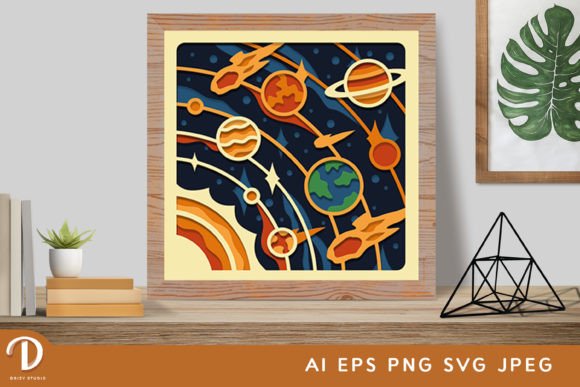
The aesthetic of the Solar System 3D Shadow Box - Planets 3D Shadow Box leans heavily into modern whimsy mixed with scientific curiosity. The layered nature of the file creates a sense of dimensionality that feels both educational and decorative. It evokes a mood of exploration, making it an excellent fit for brands in the education sector, children’s products, space-themed events, or boutique lifestyle businesses aiming for a quirky, intellectual vibe. The visual elements are clean enough to serve as a sophisticated background but detailed enough to hold their own as a focal point. It represents a style that bridges the gap between technical precision and artistic expression, which is increasingly popular in contemporary modern design trends.
Real-World Application: A Client Case Study
Recently, I was tasked with developing a visual identity for a small business launching a line of artisanal candles called "Cosmic Scents." The brand wanted to appeal to millennials who appreciate both luxury home goods and celestial aesthetics. They needed marketing visuals that felt premium yet approachable, suitable for everything from Instagram posts to physical packaging. After reviewing several options, I integrated the Solar System 3D Shadow Box SVG into the core brand identity. The layered planets provided a perfect metaphor for the complex scent profiles of the candles—layers of aroma revealed through depth. This application transformed a standard product label into a piece of art, significantly increasing perceived value and aiding in brand identity cohesion.
Performance Across Design Mediums
In real design situations, this asset demonstrates remarkable versatility. Its vector-based structure allows for infinite scalability, which is vital when moving from a tiny sticker design to a large poster or flyer. Here is how it performs across various mediums:
- Packaging Design: The layered effect works beautifully on box inserts or window stickers, adding a tactile illusion that encourages customers to pick up the product.
- Social Media Graphics: On platforms like Instagram and Pinterest, the depth creates a strong visual hierarchy, drawing the eye immediately to the central theme.
- Merchandise: Whether used for t-shirt design, mugs, or tote bags, the clean lines ensure crisp printing even on textured fabrics.
- Web Design: It serves as an engaging hero graphic or a decorative accent in blog posts, enhancing user engagement without slowing down page load times like heavy PNG designs might.
- Cricut Projects: For crafters and small business owners using cutting machines, the precise layers allow for accurate physical replication, turning digital assets into tangible handmade business products.
Strategic Placement and Best Uses
To maximize the impact of the Solar System 3D Shadow Box SVG, strategic placement is key. It excels in large layout areas where its details can be appreciated. Using it as a hero graphic on a landing page or as the primary element on a print-on-demand poster allows the viewer to absorb the intricate layering. It also functions well as a supporting brand element in themed collections, such as a seasonal campaign for a back-to-school science kit or a holiday gift guide featuring astronomy enthusiasts. When used in product mockups, it adds a narrative layer that elevates the entire composition, making the final result feel more polished and intentional.
Where to Exercise Caution
Despite its strengths, there are scenarios where this asset should be used carefully. In small sizes, the layered details may become muddy or indistinguishable, particularly if printed at low resolutions. Crowded layouts can compete with the complexity of the solar system, leading to visual noise rather than clarity. Additionally, on complex backgrounds or low-contrast designs, the asset may lose its definition. It is generally unsuitable for minimalist branding projects that require stark simplicity, or professional corporate materials where a more serious, subdued tone is required. In these cases, the playful nature of the shadow box might undermine the desired message of stability or seriousness.
Impact on Readability and Brand Trust
Integrating a complex graphic like this affects the overall visual hierarchy of a project. If text is placed directly over the layers, readability can suffer. Designers must ensure sufficient contrast and negative space around the asset to maintain clear communication. When used correctly, however, it enhances emotional appeal and audience engagement by adding a sense of wonder and professionalism. It signals that the brand cares about detail and quality, which builds visual trust and recognition. Conversely, poor integration can make a brand appear cluttered or unprofessional, so testing the asset within the full context of the design is essential.
Practical Designer Notes for Commercial Use
Before deploying the Solar System 3D Shadow Box SVG in any commercial design work, consider the following checklist:
- Black and White Test: Convert the asset to grayscale to ensure the layers remain distinct and the composition holds up without color reliance.
- Contrast Check: Preview the asset on both light and dark backgrounds to verify visibility and impact.
- Size Testing: Scale the vector down to favicon size and up to billboard size to identify any resolution issues or loss of detail.
- Mockup Integration: Place the design on real-world mockups, such as packaging or apparel, to see how it interacts with shadows and textures.
- Print Quality: If producing physical goods, test print the asset to check for bleeding or layer misalignment.
- File Inspection: Review the file format, ensuring you have access to editable SVG paths rather than just a flattened PNG design. Inspect transparency settings if the asset includes transparent backgrounds.
- Typography Pairing: Experiment with serif font, sans serif font, script font, handwritten font, and display font styles to find the best typographic harmony. A bold sans-serif font often complements the geometric nature of the planets well.
- Licensing Confirmation: Always confirm the commercial license before using the asset for a client or business project. Ensure you are permitted to use it for digital products, printable designs, or sublimation design as intended.
Ultimately, the Solar System 3D Shadow Box SVG is a powerful graphic design asset that can elevate a project from ordinary to extraordinary. By understanding its strengths, limitations, and ideal applications, designers can leverage its unique 3D aesthetic to create compelling marketing visuals, editorial design pieces, and creative marketplace products that resonate with audiences and drive engagement.