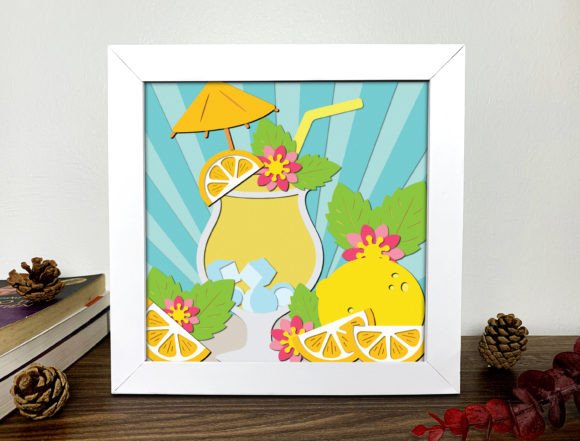
Summer Drink 3D Shadow Box Svg Review
As a designer who spends more time staring at stitch density charts and fabric swatches than drinking actual beverages, I approach every new digital asset with a mix of curiosity and skepticism. The market is flooded with generic clipart, but finding a design that balances aesthetic charm with technical viability for real-world production is rare. That is why I took a close look at the Summer Drink 3D Shadow Box Svg. This isn’t just another decorative element; it is a structural concept that demands specific handling to succeed in an embroidery project.
The immediate impression of this file is one of playful sophistication. It captures the essence of warm weather without feeling cliché. Unlike flat vector graphics that can look two-dimensional and lifeless when stitched, this 3D SVG concept suggests depth, layering, and dimension. For creators looking to elevate their craft business or Etsy listings, this design offers a pathway to creating products that feel premium rather than mass-produced. However, translating a digital shadow box concept into physical thread requires careful planning.
Visual Personality and Design Integrity
When evaluating any machine embroidery design, the first thing I check is the visual hierarchy. Does the eye know where to rest? The Summer Drink theme naturally lends itself to bright, inviting colors, but the "shadow box" aspect implies a frame-like structure or layered components. This adds complexity. In my experience, layered designs can either create stunning texture or become a muddy mess if the stitch density is not managed correctly.
This design feels like it belongs in the realm of lifestyle branding. It evokes feelings of relaxation, vacation, and leisure. For a small shop product aimed at millennials or Gen Z consumers, this mood aligns perfectly with current trends. It is not just a drink; it is a vibe. When used on items like tote bag design accessories or sweatshirt embroidery, it communicates a sense of fun that resonates with buyers looking for personality in their apparel.
Real-World Application: From Screen to Stitch
To truly understand the value of this asset, I simulated its use in a practical scenario. Imagine preparing a batch of custom embroidered tote bags for a summer pop-up market. These bags need to be durable, stylish, and Instagram-worthy. Placing a flat logo might look standard, but using a 3D SVG approach allows for a raised, textured effect that catches the light.
I envisioned applying this to a heavy-cotton canvas tote. The contrast between the sturdy fabric and the intricate details of the drink graphic would highlight the craftsmanship. Similarly, for personalized gift items such as baby onesies or nursery decor, the soft curves and cheerful theme work well. It transforms a simple garment into a keepsake. The design’s versatility extends to aprons for home bakers or kitchen towels, adding a touch of whimsy to functional household items.
However, the success of this application depends heavily on execution. A digital embroidery file is only as good as the setup behind it. If you are selling these items as part of your commercial embroidery inventory, consistency is key. Buyers expect the finished product to match the mockup exactly. Any distortion in the hoop size or misalignment in the layers can break the illusion of the 3D effect.
Technical Considerations and Fabric Compatibility
Not all fabrics are created equal, and certain materials will challenge the integrity of this design. When working with textured fabrics like bouclé or thick chenille, fine details may get lost. Similarly, stretchy fabric can cause puckering if the stabilizer is not chosen wisely. I strongly advise testing the design on scrap pieces of your target material before committing to full production runs.
For best results, stable woven fabrics are ideal. Cotton, linen, and denim provide a solid foundation for both applique design elements and dense stitching. If you plan to use this on caps or hats, be aware of the curved surface. While possible, it requires advanced hooping techniques to prevent distortion. Additionally, dark fabrics may require a cut-away stabilizer and potentially a backing layer to ensure the thread colors pop without showing through.
One critical aspect to monitor is the stitch density. If the design contains large areas of fill stitch, ensure your machine can handle the needle penetration without breaking threads. Conversely, if there are delicate running stitch outlines, verify that they are long enough to anchor properly. Small details can easily disappear if the tension is off or if the fabric is too thin.
Strategic Placement for Maximum Impact
- Center Chest: Ideal for custom apparel like sweatshirts and t-shirts, offering a balanced focal point.
- Pocket Area: Perfect for embroidered patch styles on jackets or aprons, adding subtle detail.
- Sleeve or Cuff: Works well for smaller, accent placements on baby embroidery projects.
- Back Yoke: Creates a statement piece on denim jackets or high-end summer wear.
Design Assets and Commercial Viability
For creative entrepreneurs and digital product sellers, the licensing terms are paramount. Before listing this as a design asset or using it to produce sellable goods, confirm whether the license allows for commercial use. Many handmade product makers overlook this step, leading to legal complications later.
Creating printable mockups is an excellent way to visualize the final result. By placing the design on various backgrounds and lighting conditions, you can assess how the embroidery project will translate to the customer’s eyes. Use black-and-white filters in your mockup software to check contrast levels. If the design lacks definition in grayscale, it may struggle to stand out in color depending on your thread colors choice.
Furthermore, consider the longevity of the trend. Summer themes are perennially popular, especially around holidays and vacations. Integrating this into a seasonal collection can boost visibility. However, avoid over-saturating your market with identical variations. Instead, focus on quality presentation and unique styling to differentiate your small business.
Final Verdict on Usability
The Summer Drink 3D Shadow Box Svg is a versatile tool for designers willing to put in the prep work. It offers a modern twist on traditional motifs, providing depth and character that flat designs lack. Whether you are crafting a holiday gift for a loved one or building a robust catalog of small shop products, this file has potential.
Remember, the difference between a mediocre finish and a professional one lies in the details. Take the time to test, adjust, and perfect your setup. Inspect small details under magnification, compare light and dark fabric backgrounds, and ensure your stabilizer matches the fabric weight. By doing so, you transform a simple digital file into a tangible, desirable finished product that customers will cherish.
In conclusion, this design earns a place in the toolkit of serious makers. It encourages creativity while challenging technical skills in a rewarding way. Embrace the process, respect the material, and let the design shine. Your customers will notice the care you’ve invested in every stitch.